


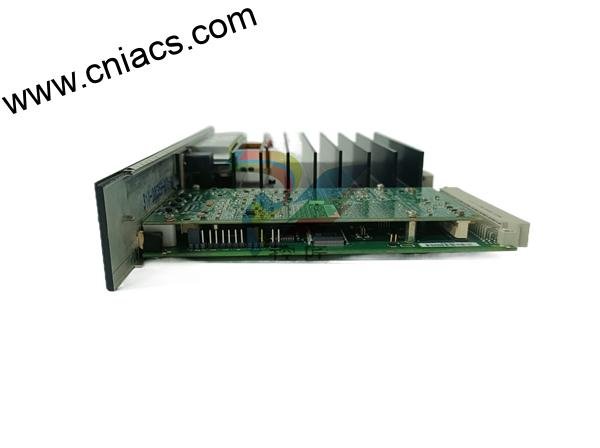
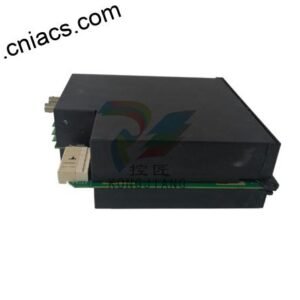
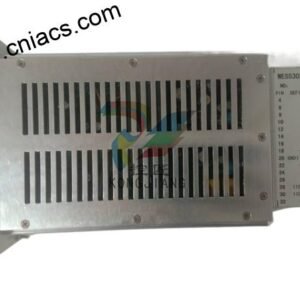
GE Electric Fanuc IC697CMM742-KL Advanced Type 2 Ethernet Interface Module
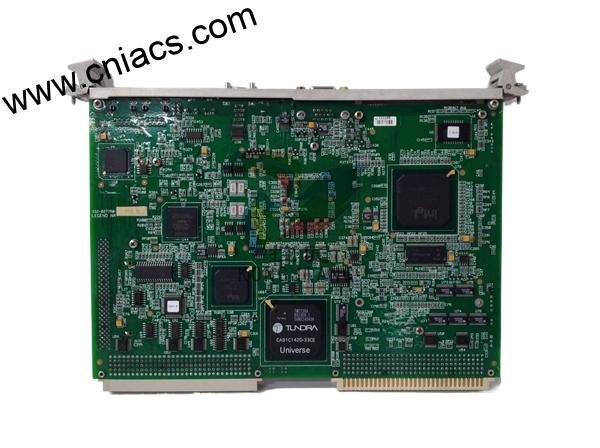
Introducing the GE Electric Model: Your Ultimate Solution for Industrial Automation
The GE Electric series is renowned for its innovative technology and robust performance. GE automation products are designed to optimize industrial processes, ensuring efficiency, reliability, and cutting-edge functionality. With a legacy of excellence in engineering, the GE Electric model stands out as a premier choice for various applications in the automation landscape.
Key Technical Features
The GE Electric model boasts an impressive array of technical features, designed to meet the demanding requirements of modern industrial environments. With a powerful processing unit, it offers superior processing speed and multitasking capabilities, enabling seamless integration with other GE automation products. The model is equipped with advanced communication interfaces, including Ethernet and serial communication ports, ensuring compatibility with a multitude of devices and systems.
One of the standout features of the GE Electric model is its modular design, which allows for easy upgrades and customization. This flexibility enables users to tailor the system to their specific needs, whether in manufacturing, energy management, or transportation sectors. The model also supports a wide range of I/O modules, providing extensive connectivity options for sensors, actuators, and other peripherals.
In addition, the GE Electric model incorporates advanced diagnostic tools and user-friendly software for monitoring and troubleshooting. This ensures that operators can easily identify issues and optimize performance, minimizing downtime and enhancing productivity.
Usage Scenarios
The GE Electric model is versatile enough to be utilized across various industries, making it an ideal choice for companies looking to implement automation solutions. In manufacturing, for instance, this model can streamline production processes by managing assembly lines, controlling robotic arms, and optimizing resource allocation. Its ability to integrate seamlessly with existing machinery and equipment makes it a valuable asset for manufacturers aiming to increase efficiency and reduce operational costs.
In the energy sector, the GE Electric model excels at monitoring and controlling power distribution systems. With its real-time data processing capabilities, it can optimize energy usage, manage renewable energy sources, and ensure grid stability. This makes it a crucial component for utilities aiming to enhance their operational efficiency and sustainability.
Moreover, in the transportation industry, the GE Electric model can be employed in traffic management systems, helping to optimize traffic flow, reduce congestion, and enhance safety. Its advanced communication capabilities allow for real-time data sharing and analysis, making it an essential tool for modern urban planning.
Comparison with Other Models
When compared to other models within the GE automation product line, such as the GE IS200TBCIH1BBC or the GE IS220PPROS1B, the GE Electric model offers a more versatile and user-friendly approach. While the IS200TBCIH1BBC is known for its specific applications in turbine control systems, the GE Electric model is designed for a broader range of industrial applications, ensuring maximum flexibility.
In contrast to the GE EVMECNTM13, which is tailored for embedded systems, the GE Electric model provides a comprehensive platform that supports various automation needs. Its modular design and extensive I/O options allow for greater scalability, making it a preferred choice for businesses looking to expand their automation capabilities.
The GE Electric model also outperforms the GE IS215UCVEH2AB in terms of processing power and connectivity options. With superior communication interfaces and advanced diagnostic tools, it provides a more robust solution for industries that require real-time data processing and analysis.
Reference About Related Models
The GE Electric model is part of an extensive lineup of related models that cater to different automation needs. Some noteworthy models include:
1. GE IS200TBCIH1BBC: Focused on turbine control applications.
2. GE IS220PPROS1B: Designed for process control and monitoring.
3. GE CT7P70500470CW24: A compact controller for small-scale automation.
4. GE EVMECNTM13: Ideal for embedded systems integration.
5. GE IS220PAICH2A: Focused on advanced process automation.
6. GE IC697MDL250: A versatile digital I/O module for various applications.
7. GE PRG-MODEM: Communication device for remote access.
8. GE IS215UCVEH2AB: A controller for industrial applications.
9. GE IC660ELB912G: A reliable I/O module for high-performance automation.
10. GE DS200CTBAG1ADD: A control board for turbine applications.
Each of these models complements the GE Electric model, providing businesses with a comprehensive range of automation solutions tailored to their specific needs.
Conclusion
In summary, the GE Electric model is a powerful and versatile solution for industries seeking to enhance their automation capabilities. With its robust technical features, extensive usage scenarios, and competitive advantages over other models, it stands out as a premier choice in the GE automation products lineup. Whether in manufacturing, energy management, or transportation, the GE Electric model delivers unparalleled performance and reliability, making it the ideal investment for the future of industrial automation. Embrace the revolution in automation with GE Electric, and unlock the potential of your operations today!
The above parameters are for reference only. Please contact our technical team for precise selection.
The GE Electric series is renowned for its innovative technology and robust performance. GE automation products are designed to optimize industrial processes, ensuring efficiency, reliability, and cutting-edge functionality. With a legacy of excellence in engineering, the GE Electric model stands out as a premier choice for various applications in the automation landscape.
Key Technical Features
The GE Electric model boasts an impressive array of technical features, designed to meet the demanding requirements of modern industrial environments. With a powerful processing unit, it offers superior processing speed and multitasking capabilities, enabling seamless integration with other GE automation products. The model is equipped with advanced communication interfaces, including Ethernet and serial communication ports, ensuring compatibility with a multitude of devices and systems.
One of the standout features of the GE Electric model is its modular design, which allows for easy upgrades and customization. This flexibility enables users to tailor the system to their specific needs, whether in manufacturing, energy management, or transportation sectors. The model also supports a wide range of I/O modules, providing extensive connectivity options for sensors, actuators, and other peripherals.
In addition, the GE Electric model incorporates advanced diagnostic tools and user-friendly software for monitoring and troubleshooting. This ensures that operators can easily identify issues and optimize performance, minimizing downtime and enhancing productivity.
Usage Scenarios
The GE Electric model is versatile enough to be utilized across various industries, making it an ideal choice for companies looking to implement automation solutions. In manufacturing, for instance, this model can streamline production processes by managing assembly lines, controlling robotic arms, and optimizing resource allocation. Its ability to integrate seamlessly with existing machinery and equipment makes it a valuable asset for manufacturers aiming to increase efficiency and reduce operational costs.
In the energy sector, the GE Electric model excels at monitoring and controlling power distribution systems. With its real-time data processing capabilities, it can optimize energy usage, manage renewable energy sources, and ensure grid stability. This makes it a crucial component for utilities aiming to enhance their operational efficiency and sustainability.
Moreover, in the transportation industry, the GE Electric model can be employed in traffic management systems, helping to optimize traffic flow, reduce congestion, and enhance safety. Its advanced communication capabilities allow for real-time data sharing and analysis, making it an essential tool for modern urban planning.
Comparison with Other Models
When compared to other models within the GE automation product line, such as the GE IS200TBCIH1BBC or the GE IS220PPROS1B, the GE Electric model offers a more versatile and user-friendly approach. While the IS200TBCIH1BBC is known for its specific applications in turbine control systems, the GE Electric model is designed for a broader range of industrial applications, ensuring maximum flexibility.
In contrast to the GE EVMECNTM13, which is tailored for embedded systems, the GE Electric model provides a comprehensive platform that supports various automation needs. Its modular design and extensive I/O options allow for greater scalability, making it a preferred choice for businesses looking to expand their automation capabilities.
The GE Electric model also outperforms the GE IS215UCVEH2AB in terms of processing power and connectivity options. With superior communication interfaces and advanced diagnostic tools, it provides a more robust solution for industries that require real-time data processing and analysis.
Reference About Related Models
The GE Electric model is part of an extensive lineup of related models that cater to different automation needs. Some noteworthy models include:
1. GE IS200TBCIH1BBC: Focused on turbine control applications.
2. GE IS220PPROS1B: Designed for process control and monitoring.
3. GE CT7P70500470CW24: A compact controller for small-scale automation.
4. GE EVMECNTM13: Ideal for embedded systems integration.
5. GE IS220PAICH2A: Focused on advanced process automation.
6. GE IC697MDL250: A versatile digital I/O module for various applications.
7. GE PRG-MODEM: Communication device for remote access.
8. GE IS215UCVEH2AB: A controller for industrial applications.
9. GE IC660ELB912G: A reliable I/O module for high-performance automation.
10. GE DS200CTBAG1ADD: A control board for turbine applications.
Each of these models complements the GE Electric model, providing businesses with a comprehensive range of automation solutions tailored to their specific needs.
Conclusion
In summary, the GE Electric model is a powerful and versatile solution for industries seeking to enhance their automation capabilities. With its robust technical features, extensive usage scenarios, and competitive advantages over other models, it stands out as a premier choice in the GE automation products lineup. Whether in manufacturing, energy management, or transportation, the GE Electric model delivers unparalleled performance and reliability, making it the ideal investment for the future of industrial automation. Embrace the revolution in automation with GE Electric, and unlock the potential of your operations today!
The above parameters are for reference only. Please contact our technical team for precise selection.





There are no reviews yet.