
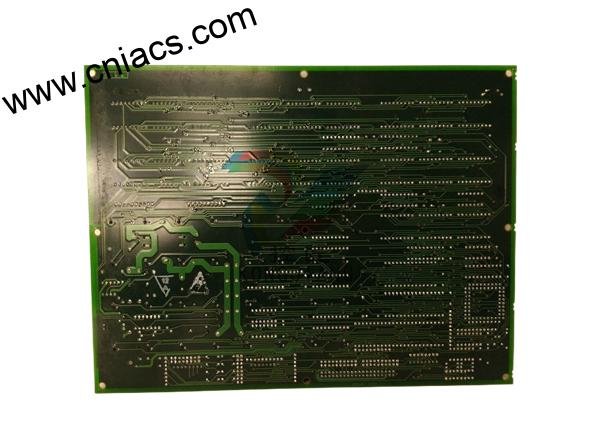


GE Electric IC200CHS003 High-Performance I/O Modules for Industrial Automation

Introducing the GE Electric Model: The Ultimate Solution for Your Automation Needs
In the ever-evolving landscape of industrial automation, GE Electric stands tall as a trusted name synonymous with innovation and reliability. This model is engineered to meet the rigorous demands of modern industries, making it an essential component for businesses looking to enhance efficiency and productivity. With a robust suite of technical features, diverse usage scenarios, and a competitive edge over other models, the GE Electric is your go-to solution for automation.
Key Technical Features
The GE Electric model boasts impressive technical specifications designed to ensure seamless integration into your automation systems. It features advanced processing capabilities, high-speed data handling, and extensive communication options that facilitate connectivity across various devices. With its user-friendly interface, the model simplifies programming and monitoring, empowering operators to manage their systems with ease.
Key features include:
1. **High Processing Speed**: Equipped with a state-of-the-art processor, the GE Electric model ensures rapid execution of complex tasks, reducing downtime and maximizing productivity.
2. **Robust Communication Protocols**: Supporting multiple communication protocols, including Ethernet, Modbus, and Profibus, this model enables efficient data exchange and interoperability with other GE automation products and third-party devices.
3. **Scalability**: The GE Electric model is designed to grow alongside your business. With modular architecture, you can easily expand your system as your operational needs evolve.
4. **Durability**: Built to withstand harsh industrial environments, this model features rugged housing and components that resist dust, moisture, and temperature fluctuations, ensuring long-lasting performance.
5. **Advanced Diagnostics**: The GE Electric model includes built-in diagnostic tools that facilitate real-time monitoring and troubleshooting, minimizing maintenance costs and enhancing uptime.
Usage Scenarios
The versatility of the GE Electric model makes it an ideal choice for various industries, including manufacturing, energy, water treatment, and transportation. Here are some practical usage scenarios:
1. **Manufacturing Automation**: In a manufacturing plant, the GE Electric model can control assembly lines, manage robotic arms, and synchronize multiple machines, optimizing production efficiency.
2. **Energy Management**: In power plants, the model can monitor and control energy distribution, ensuring stability and reliability in energy supply while minimizing operational costs.
3. **Water Treatment Facilities**: The GE Electric model can automate processes in water treatment plants, from chemical dosing to filtration control, ensuring compliance with environmental regulations.
4. **Transportation Systems**: In traffic management systems, the model can adaptively control traffic signals, monitor vehicle flow, and improve overall transportation efficiency.
5. **Building Management**: In commercial buildings, the GE Electric model can integrate HVAC systems, lighting controls, and security systems, providing a comprehensive building automation solution.
Comparison with Other Models
When comparing the GE Electric model to its counterparts, its superior processing capabilities and extensive communication options set it apart. For instance, while the GE IS200TBCIH1BBC is known for its reliability, it lacks the advanced communication protocols that make the GE Electric model more adaptable in a diverse automation ecosystem.
Similarly, the GE IS220PPROS1B, while effective for specific applications, does not offer the same level of scalability and modularity, limiting its long-term viability as operational needs change. In contrast, the GE Electric model's ability to seamlessly integrate with a wide array of devices and systems makes it a more future-proof investment.
With its advanced diagnostics, the GE Electric model also outperforms the GE IC697MDL250 and GE IS200PAICH2A models, which may require additional external tools for troubleshooting. This means reduced downtime and lower maintenance costs for enterprises utilizing the GE Electric model.
Related Models
For those exploring the realm of GE automation products, consider these related models that complement the GE Electric:
1. **GE IS200TPROH1BBB**: Known for its robust performance in process control applications.
2. **GE IC660ELB912G**: An excellent choice for I/O control in various automation projects.
3. **GE IS230SNIDH1A**: Ideal for specialized monitoring and data acquisition tasks.
4. **GE IC670CHS001E**: A versatile model for high-speed control applications.
5. **GE 531X307LTBAJG1**: Suitable for applications requiring high reliability and flexibility.
6. **GE IS215UCVEH2AB**: Offers advanced control capabilities with integrated safety features.
7. **GE IC693CPU374**: A powerful CPU option that enhances system performance.
8. **GE DS200CTBAG1ADD**: Perfect for digital input and output controls in complex systems.
9. **GE IS200DSPXH1DBC**: Designed for high-performance data processing.
10. **GE IC697ALG440**: A versatile analog input module perfect for various measurement tasks.
Conclusion
The GE Electric model is a cornerstone of modern automation solutions, offering unmatched performance, adaptability, and reliability. Whether you are in manufacturing, energy, or any industry requiring advanced automation products, this model is engineered to meet the challenges of today's dynamic operational environments. With its powerful technical features, diverse usage scenarios, and competitive edge over other models, the GE Electric is undoubtedly a smart investment for any forward-thinking organization. Experience the future of automation with GE Electric and elevate your operations to new heights.
The above parameters are for reference only. Please contact our technical team for precise selection.
In the ever-evolving landscape of industrial automation, GE Electric stands tall as a trusted name synonymous with innovation and reliability. This model is engineered to meet the rigorous demands of modern industries, making it an essential component for businesses looking to enhance efficiency and productivity. With a robust suite of technical features, diverse usage scenarios, and a competitive edge over other models, the GE Electric is your go-to solution for automation.
Key Technical Features
The GE Electric model boasts impressive technical specifications designed to ensure seamless integration into your automation systems. It features advanced processing capabilities, high-speed data handling, and extensive communication options that facilitate connectivity across various devices. With its user-friendly interface, the model simplifies programming and monitoring, empowering operators to manage their systems with ease.
Key features include:
1. **High Processing Speed**: Equipped with a state-of-the-art processor, the GE Electric model ensures rapid execution of complex tasks, reducing downtime and maximizing productivity.
2. **Robust Communication Protocols**: Supporting multiple communication protocols, including Ethernet, Modbus, and Profibus, this model enables efficient data exchange and interoperability with other GE automation products and third-party devices.
3. **Scalability**: The GE Electric model is designed to grow alongside your business. With modular architecture, you can easily expand your system as your operational needs evolve.
4. **Durability**: Built to withstand harsh industrial environments, this model features rugged housing and components that resist dust, moisture, and temperature fluctuations, ensuring long-lasting performance.
5. **Advanced Diagnostics**: The GE Electric model includes built-in diagnostic tools that facilitate real-time monitoring and troubleshooting, minimizing maintenance costs and enhancing uptime.
Usage Scenarios
The versatility of the GE Electric model makes it an ideal choice for various industries, including manufacturing, energy, water treatment, and transportation. Here are some practical usage scenarios:
1. **Manufacturing Automation**: In a manufacturing plant, the GE Electric model can control assembly lines, manage robotic arms, and synchronize multiple machines, optimizing production efficiency.
2. **Energy Management**: In power plants, the model can monitor and control energy distribution, ensuring stability and reliability in energy supply while minimizing operational costs.
3. **Water Treatment Facilities**: The GE Electric model can automate processes in water treatment plants, from chemical dosing to filtration control, ensuring compliance with environmental regulations.
4. **Transportation Systems**: In traffic management systems, the model can adaptively control traffic signals, monitor vehicle flow, and improve overall transportation efficiency.
5. **Building Management**: In commercial buildings, the GE Electric model can integrate HVAC systems, lighting controls, and security systems, providing a comprehensive building automation solution.
Comparison with Other Models
When comparing the GE Electric model to its counterparts, its superior processing capabilities and extensive communication options set it apart. For instance, while the GE IS200TBCIH1BBC is known for its reliability, it lacks the advanced communication protocols that make the GE Electric model more adaptable in a diverse automation ecosystem.
Similarly, the GE IS220PPROS1B, while effective for specific applications, does not offer the same level of scalability and modularity, limiting its long-term viability as operational needs change. In contrast, the GE Electric model's ability to seamlessly integrate with a wide array of devices and systems makes it a more future-proof investment.
With its advanced diagnostics, the GE Electric model also outperforms the GE IC697MDL250 and GE IS200PAICH2A models, which may require additional external tools for troubleshooting. This means reduced downtime and lower maintenance costs for enterprises utilizing the GE Electric model.
Related Models
For those exploring the realm of GE automation products, consider these related models that complement the GE Electric:
1. **GE IS200TPROH1BBB**: Known for its robust performance in process control applications.
2. **GE IC660ELB912G**: An excellent choice for I/O control in various automation projects.
3. **GE IS230SNIDH1A**: Ideal for specialized monitoring and data acquisition tasks.
4. **GE IC670CHS001E**: A versatile model for high-speed control applications.
5. **GE 531X307LTBAJG1**: Suitable for applications requiring high reliability and flexibility.
6. **GE IS215UCVEH2AB**: Offers advanced control capabilities with integrated safety features.
7. **GE IC693CPU374**: A powerful CPU option that enhances system performance.
8. **GE DS200CTBAG1ADD**: Perfect for digital input and output controls in complex systems.
9. **GE IS200DSPXH1DBC**: Designed for high-performance data processing.
10. **GE IC697ALG440**: A versatile analog input module perfect for various measurement tasks.
Conclusion
The GE Electric model is a cornerstone of modern automation solutions, offering unmatched performance, adaptability, and reliability. Whether you are in manufacturing, energy, or any industry requiring advanced automation products, this model is engineered to meet the challenges of today's dynamic operational environments. With its powerful technical features, diverse usage scenarios, and competitive edge over other models, the GE Electric is undoubtedly a smart investment for any forward-thinking organization. Experience the future of automation with GE Electric and elevate your operations to new heights.
The above parameters are for reference only. Please contact our technical team for precise selection.

-300x300.jpg?v=1739237723)
There are no reviews yet.