


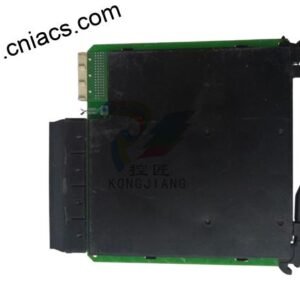
GE Electric IS200TBAIH1CCC Analog Input/Output Terminal Board
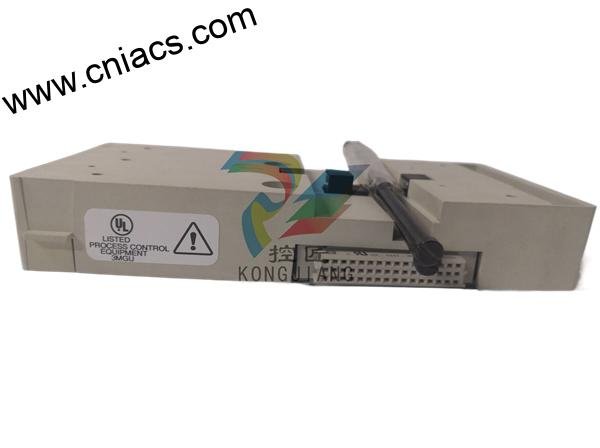
Introducing the GE Electric Model: The Pinnacle of Automation Performance
When it comes to industrial automation, GE Electric stands out as a leader in innovation and reliability. With advanced engineering and cutting-edge technology, the GE Electric model is designed to meet the demands of modern industries, ensuring seamless integration and optimal performance. This product description delves into the key technical features, usage scenarios, comparisons with other models, and references to related models that complement the GE Electric ecosystem.
1) Key Technical Features
The GE Electric model is equipped with a robust suite of technical features that set it apart from the competition. At its core, the model boasts high-speed processing capabilities, enabling rapid data handling and real-time decision-making. With a powerful CPU, the GE Electric model can handle complex automation tasks effortlessly, making it suitable for both simple and intricate processes.
One of the standout features is its versatile communication protocols, allowing it to integrate with a wide range of devices and systems. Whether you are using Ethernet, RS-232, or other industrial communication standards, the GE Electric model ensures smooth connectivity and data exchange. This flexibility is crucial for industries that rely on multiple automation products.
Additionally, the GE Electric model is designed with a user-friendly interface, making it easy to configure and monitor. The intuitive software platform allows operators to visualize processes, set parameters, and troubleshoot issues with minimal effort. Furthermore, the model's scalability means that it can grow alongside your operations, accommodating future expansions without significant overhauls.
2) Usage Scenarios
The GE Electric model is ideal for a variety of usage scenarios across diverse industries. In manufacturing environments, it serves as the backbone of automated assembly lines, controlling machinery, monitoring output, and ensuring quality control. Its real-time data processing capabilities enable manufacturers to optimize production schedules and reduce downtime.
In the energy sector, the GE Electric model plays a critical role in managing power generation and distribution systems. With the ability to interface with sensors and control systems, it helps utilities monitor grid stability, forecast demand, and implement load balancing strategies effectively.
Moreover, in water treatment facilities, the GE Electric model assists in automating processes such as chemical dosing, filtration, and flow control. This not only enhances operational efficiency but also ensures compliance with environmental regulations by providing accurate monitoring and reporting capabilities.
3) Comparison with Other Models
When compared to other models in the GE lineup, such as the GE IS200TBCIH1BBC and GE IS220PPROS1B, the GE Electric model offers enhanced processing power and greater flexibility in communication protocols. While the IS200TBCIH1BBC is well-suited for specific industrial applications, the GE Electric model's adaptability makes it a better choice for organizations looking for a comprehensive automation solution.
In contrast to the GE IC697MDL250, which is primarily designed for discrete control applications, the GE Electric model provides a more holistic approach to automation, capable of handling both discrete and continuous processes. This versatility makes it a preferable option for companies seeking to streamline their operations across various domains.
4) Reference about 10 Related Models
To further enrich your understanding of the GE Electric model, here are ten related models that complement its capabilities within the GE automation products family:
– GE IS200TPROH1BBB: A versatile controller designed for process automation.
– GE IC660ELB912G: An I/O module that enhances connectivity options.
– GE IS230SNIDH1A: A signal processing module ideal for data acquisition.
– GE CT7P70500470CW24: A compact controller suitable for smaller applications.
– GE IS200DSPXH1DBC: A digital signal processor designed for high-speed data handling.
– GE IS220PRTDH1A: A temperature input module for precise thermal monitoring.
– GE IC693CPU374: A powerful CPU that supports complex automation solutions.
– GE IS215UCVEH2AB: A versatile controller for various industrial applications.
– GE DS200CTBAG1ADD: A control terminal board enhancing system reliability.
– GE IC697MDL653: A modular I/O solution for flexible system configuration.
5) SEO Keywords
As industries increasingly turn to automation for improved efficiency and productivity, the GE Electric model stands out as a premier choice among GE automation products. With its advanced features and versatility, it is equipped to handle the complex demands of modern manufacturing, energy, and water treatment sectors.
Whether you are looking to upgrade your existing systems or implement a new automation strategy, the GE Electric model provides the reliability and performance you need. Experience the future of industrial automation with GE Electric, where innovation meets efficiency for a sustainable tomorrow.
In conclusion, the GE Electric model is not just a product; it is a comprehensive solution that empowers businesses to elevate their operations to new heights. By embracing the capabilities of GE automation products, organizations can enhance their productivity, reduce operational costs, and ensure they remain at the forefront of their industries.
The above parameters are for reference only. Please contact our technical team for precise selection.
When it comes to industrial automation, GE Electric stands out as a leader in innovation and reliability. With advanced engineering and cutting-edge technology, the GE Electric model is designed to meet the demands of modern industries, ensuring seamless integration and optimal performance. This product description delves into the key technical features, usage scenarios, comparisons with other models, and references to related models that complement the GE Electric ecosystem.
1) Key Technical Features
The GE Electric model is equipped with a robust suite of technical features that set it apart from the competition. At its core, the model boasts high-speed processing capabilities, enabling rapid data handling and real-time decision-making. With a powerful CPU, the GE Electric model can handle complex automation tasks effortlessly, making it suitable for both simple and intricate processes.
One of the standout features is its versatile communication protocols, allowing it to integrate with a wide range of devices and systems. Whether you are using Ethernet, RS-232, or other industrial communication standards, the GE Electric model ensures smooth connectivity and data exchange. This flexibility is crucial for industries that rely on multiple automation products.
Additionally, the GE Electric model is designed with a user-friendly interface, making it easy to configure and monitor. The intuitive software platform allows operators to visualize processes, set parameters, and troubleshoot issues with minimal effort. Furthermore, the model's scalability means that it can grow alongside your operations, accommodating future expansions without significant overhauls.
2) Usage Scenarios
The GE Electric model is ideal for a variety of usage scenarios across diverse industries. In manufacturing environments, it serves as the backbone of automated assembly lines, controlling machinery, monitoring output, and ensuring quality control. Its real-time data processing capabilities enable manufacturers to optimize production schedules and reduce downtime.
In the energy sector, the GE Electric model plays a critical role in managing power generation and distribution systems. With the ability to interface with sensors and control systems, it helps utilities monitor grid stability, forecast demand, and implement load balancing strategies effectively.
Moreover, in water treatment facilities, the GE Electric model assists in automating processes such as chemical dosing, filtration, and flow control. This not only enhances operational efficiency but also ensures compliance with environmental regulations by providing accurate monitoring and reporting capabilities.
3) Comparison with Other Models
When compared to other models in the GE lineup, such as the GE IS200TBCIH1BBC and GE IS220PPROS1B, the GE Electric model offers enhanced processing power and greater flexibility in communication protocols. While the IS200TBCIH1BBC is well-suited for specific industrial applications, the GE Electric model's adaptability makes it a better choice for organizations looking for a comprehensive automation solution.
In contrast to the GE IC697MDL250, which is primarily designed for discrete control applications, the GE Electric model provides a more holistic approach to automation, capable of handling both discrete and continuous processes. This versatility makes it a preferable option for companies seeking to streamline their operations across various domains.
4) Reference about 10 Related Models
To further enrich your understanding of the GE Electric model, here are ten related models that complement its capabilities within the GE automation products family:
– GE IS200TPROH1BBB: A versatile controller designed for process automation.
– GE IC660ELB912G: An I/O module that enhances connectivity options.
– GE IS230SNIDH1A: A signal processing module ideal for data acquisition.
– GE CT7P70500470CW24: A compact controller suitable for smaller applications.
– GE IS200DSPXH1DBC: A digital signal processor designed for high-speed data handling.
– GE IS220PRTDH1A: A temperature input module for precise thermal monitoring.
– GE IC693CPU374: A powerful CPU that supports complex automation solutions.
– GE IS215UCVEH2AB: A versatile controller for various industrial applications.
– GE DS200CTBAG1ADD: A control terminal board enhancing system reliability.
– GE IC697MDL653: A modular I/O solution for flexible system configuration.
5) SEO Keywords
As industries increasingly turn to automation for improved efficiency and productivity, the GE Electric model stands out as a premier choice among GE automation products. With its advanced features and versatility, it is equipped to handle the complex demands of modern manufacturing, energy, and water treatment sectors.
Whether you are looking to upgrade your existing systems or implement a new automation strategy, the GE Electric model provides the reliability and performance you need. Experience the future of industrial automation with GE Electric, where innovation meets efficiency for a sustainable tomorrow.
In conclusion, the GE Electric model is not just a product; it is a comprehensive solution that empowers businesses to elevate their operations to new heights. By embracing the capabilities of GE automation products, organizations can enhance their productivity, reduce operational costs, and ensure they remain at the forefront of their industries.
The above parameters are for reference only. Please contact our technical team for precise selection.




There are no reviews yet.