
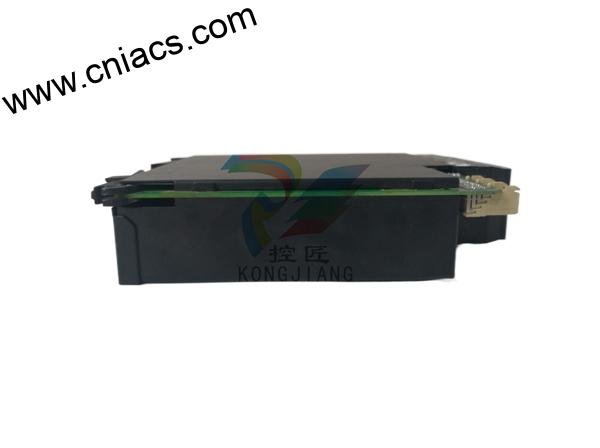


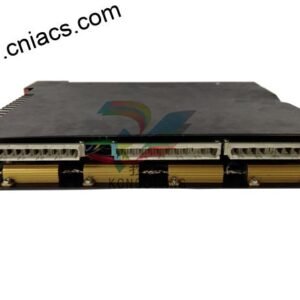
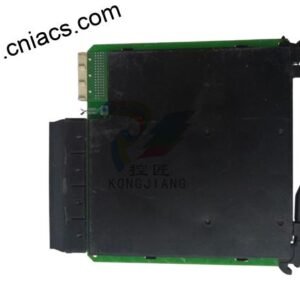
GE Electric IS210HSLAH1A Advanced Speedtronic Control Module
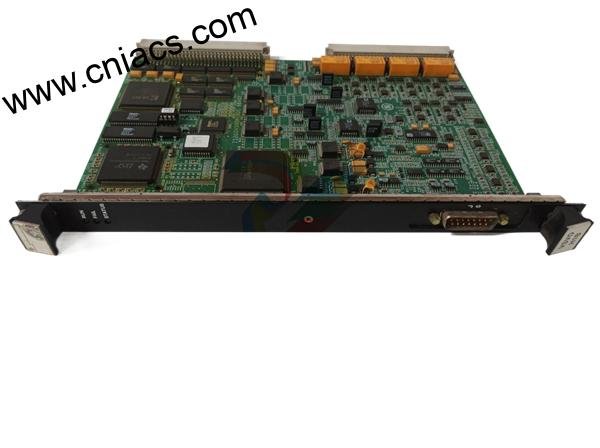
Introducing the GE Electric Model: A Pinnacle of Innovation in Automation Solutions
When it comes to automation and control systems, GE Electric has consistently set the standard for excellence. The latest model in the GE Electric lineup further solidifies the brand's reputation for delivering cutting-edge technology, reliability, and unmatched performance in various industrial applications. This product description provides an in-depth look at the key technical features, usage scenarios, comparisons with other GE models, and references to related products within the GE automation products family.
**Key Technical Features**
The GE Electric model is engineered with a suite of advanced technical features designed to enhance efficiency and streamline industrial processes. At the heart of its functionality is a powerful microprocessor that enables rapid data processing and real-time analytics. The model boasts a robust communication protocol, supporting both Ethernet and serial communications, which facilitates seamless integration with existing systems and networks.
One of the standout features of this GE Electric model is its scalability. It supports modular expansions, allowing businesses to customize their automation solutions according to specific operational requirements. Additionally, the model is equipped with multiple I/O options, including digital and analog inputs and outputs, which enhance its versatility for various applications ranging from manufacturing to process control.
In terms of safety, this model adheres to stringent industry standards, incorporating built-in redundancy and fault tolerance. This ensures continuous operation even in the event of hardware failures, thereby minimizing downtime and preserving productivity. Furthermore, the GE Electric model features an intuitive user interface that simplifies operation and monitoring, empowering users to manage their systems efficiently.
**Usage Scenarios**
The versatility of the GE Electric model makes it suitable for a wide range of industrial applications. In manufacturing environments, it can be utilized to control assembly lines, monitor production processes, and manage robotic systems. Its real-time analytics capability allows for immediate adjustments to optimize production efficiency and reduce waste.
In the energy sector, this model is ideal for monitoring and controlling power distribution systems. Its advanced communication features enable seamless integration with smart grid technologies, facilitating improved energy management and sustainability efforts. Additionally, the GE Electric model finds applications in water treatment facilities, where it can monitor and control pumps, valves, and treatment processes, ensuring compliance with regulatory standards.
Moreover, in the transportation industry, this model can oversee traffic control systems, enhancing safety and efficiency in urban environments. Its capability to process vast amounts of data in real-time ensures that traffic signals and monitoring systems can adapt to changing conditions, reducing congestion and improving overall traffic flow.
**Comparison with Other Models**
When comparing
The above parameters are for reference only. Please contact our technical team for precise selection.
When it comes to automation and control systems, GE Electric has consistently set the standard for excellence. The latest model in the GE Electric lineup further solidifies the brand's reputation for delivering cutting-edge technology, reliability, and unmatched performance in various industrial applications. This product description provides an in-depth look at the key technical features, usage scenarios, comparisons with other GE models, and references to related products within the GE automation products family.
**Key Technical Features**
The GE Electric model is engineered with a suite of advanced technical features designed to enhance efficiency and streamline industrial processes. At the heart of its functionality is a powerful microprocessor that enables rapid data processing and real-time analytics. The model boasts a robust communication protocol, supporting both Ethernet and serial communications, which facilitates seamless integration with existing systems and networks.
One of the standout features of this GE Electric model is its scalability. It supports modular expansions, allowing businesses to customize their automation solutions according to specific operational requirements. Additionally, the model is equipped with multiple I/O options, including digital and analog inputs and outputs, which enhance its versatility for various applications ranging from manufacturing to process control.
In terms of safety, this model adheres to stringent industry standards, incorporating built-in redundancy and fault tolerance. This ensures continuous operation even in the event of hardware failures, thereby minimizing downtime and preserving productivity. Furthermore, the GE Electric model features an intuitive user interface that simplifies operation and monitoring, empowering users to manage their systems efficiently.
**Usage Scenarios**
The versatility of the GE Electric model makes it suitable for a wide range of industrial applications. In manufacturing environments, it can be utilized to control assembly lines, monitor production processes, and manage robotic systems. Its real-time analytics capability allows for immediate adjustments to optimize production efficiency and reduce waste.
In the energy sector, this model is ideal for monitoring and controlling power distribution systems. Its advanced communication features enable seamless integration with smart grid technologies, facilitating improved energy management and sustainability efforts. Additionally, the GE Electric model finds applications in water treatment facilities, where it can monitor and control pumps, valves, and treatment processes, ensuring compliance with regulatory standards.
Moreover, in the transportation industry, this model can oversee traffic control systems, enhancing safety and efficiency in urban environments. Its capability to process vast amounts of data in real-time ensures that traffic signals and monitoring systems can adapt to changing conditions, reducing congestion and improving overall traffic flow.
**Comparison with Other Models**
When comparing
The above parameters are for reference only. Please contact our technical team for precise selection.




There are no reviews yet.