.jpg?v=1739237447)

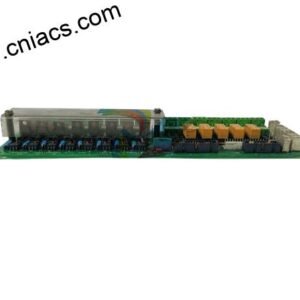

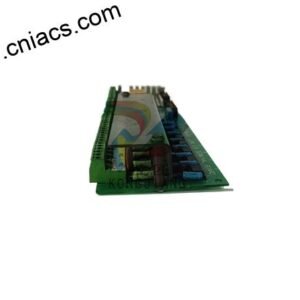
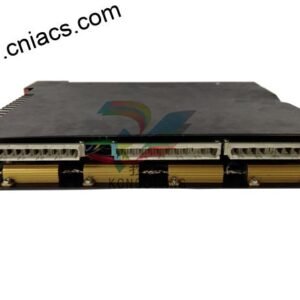
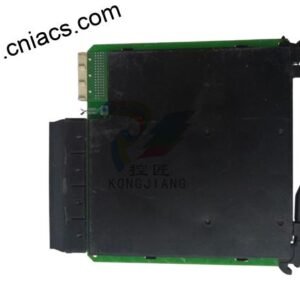
GE Electric IS220PRROH1A Advanced Industrial Control Module
.jpg)
Introducing the GE Electric Model: A Pinnacle of Innovation in Automation
When it comes to superior automation solutions, the GE Electric model stands out as a leading choice among industry professionals. Engineered for reliability and performance, this model incorporates advanced technology that caters to the diverse needs of various sectors, including manufacturing, energy, and transportation. This product description will explore its key technical features, usage scenarios, comparisons with other models, and provide references to related products, solidifying its position as a vital component in the world of GE automation products.
Key Technical Features
The GE Electric model is packed with cutting-edge features designed to enhance operational efficiency and ensure seamless integration into existing systems. Key specifications include:
1. **High Processing Power**: With a powerful processor, the GE Electric model ensures rapid data processing and increased throughput. This capability is perfect for real-time monitoring and control applications in complex environments.
2. **Robust Communication Protocols**: It supports multiple communication protocols, including Ethernet/IP, Modbus, and Profibus, allowing for versatile connectivity with other devices. This flexibility ensures that users can integrate the GE Electric model into a wide range of systems without compatibility issues.
3. **User-Friendly Interface**: The model features an intuitive interface, making it easy for operators to navigate and manage processes efficiently. Its customizable dashboards allow users to tailor the display to their specific needs, enhancing usability and productivity.
4. **Scalability**: Designed with scalability in mind, the GE Electric model can easily adapt to growing operational demands. This is particularly beneficial for businesses looking to expand their automation capabilities without overhauling existing infrastructure.
5. **Advanced Diagnostics and Monitoring**: The model includes built-in diagnostic tools that provide insights into system performance. This feature helps in predictive maintenance, reducing downtime and extending the lifespan of equipment.
Usage Scenarios
The versatility of the GE Electric model makes it suitable for a variety of applications across different industries. Some notable usage scenarios include:
– **Manufacturing Automation**: The GE Electric model can be integrated into assembly lines to streamline processes, enhance production rates, and improve product quality. Its real-time monitoring capabilities ensure that any deviations in production processes are promptly addressed.
– **Energy Management**: In power generation facilities, the GE Electric model plays a crucial role in monitoring system performance and ensuring optimal energy distribution. Its ability to communicate with other automation products allows for a cohesive energy management system.
– **Transportation Systems**: The model is ideal for traffic management systems, where its advanced data processing capabilities help optimize traffic flow and reduce congestion. The integration with various communication protocols facilitates data sharing between different transportation devices.
Comparison with Other Models
While the GE Electric model is a standout product, it is essential to consider how it compares with other models in the GE lineup. For instance:
– **GE IS200TBCIH1BBC**: This model is designed for specific applications in the power industry, offering specialized functionalities that cater to that sector. However, the GE Electric model provides broader capabilities and flexibility, making it a better choice for multi-industry applications.
– **GE IC697MDL250**: Known for its reliability, the IC697MDL250 is suitable for high-demand environments. However, it may lack the advanced user interface and diagnostic features found in the GE Electric model, making the latter more user-friendly.
– **GE IS220PRTDH1A**: While this model excels in process control, it may not offer the same level of communication options as the GE Electric model, which can connect with a wider array of devices.
Overall, the GE Electric model provides a balance of performance, flexibility, and ease of use that many other models may not match.
Related Models
For those interested in exploring further, here are ten related models that complement the GE Electric model within the GE automation products range:
1. **GE IS220PPROS1B**: A powerful processor for advanced control applications.
2. **GE EVMECNTM13**: Ideal for energy management systems with robust communication features.
3. **GE IS215UCVEH2AB**: Designed for high-performance applications in industrial environments.
4. **GE IC660ELB912G**: Offers reliable input/output solutions for various automation needs.
5. **GE DS200CTBAG1ADD**: A versatile control board for the power generation sector.
6. **GE IC670CHS001E**: Known for its modular design, making it suitable for scalable applications.
7. **GE 531X307LTBAJG1**: A high-performance controller that excels in complex automation tasks.
8. **GE IS200EPSMG2ADC**: A specialized model for energy applications with enhanced diagnostic capabilities.
9. **GE IC698CMX016**: Provides communication solutions that enhance system interoperability.
10. **GE IS200TPROH1BCB**: A robust processor for demanding industrial environments.
In conclusion, the GE Electric model represents the forefront of automation technology. Its powerful features, user-friendly interface, and adaptability make it the ideal choice for businesses looking to enhance their operational efficiency. Whether in manufacturing, energy management, or transportation systems, this model is designed to meet the diverse needs of various industries. With its ability to seamlessly integrate with other GE automation products, the GE Electric model sets a new standard for reliability and performance in the automation landscape.
The above parameters are for reference only. Please contact our technical team for precise selection.
When it comes to superior automation solutions, the GE Electric model stands out as a leading choice among industry professionals. Engineered for reliability and performance, this model incorporates advanced technology that caters to the diverse needs of various sectors, including manufacturing, energy, and transportation. This product description will explore its key technical features, usage scenarios, comparisons with other models, and provide references to related products, solidifying its position as a vital component in the world of GE automation products.
Key Technical Features
The GE Electric model is packed with cutting-edge features designed to enhance operational efficiency and ensure seamless integration into existing systems. Key specifications include:
1. **High Processing Power**: With a powerful processor, the GE Electric model ensures rapid data processing and increased throughput. This capability is perfect for real-time monitoring and control applications in complex environments.
2. **Robust Communication Protocols**: It supports multiple communication protocols, including Ethernet/IP, Modbus, and Profibus, allowing for versatile connectivity with other devices. This flexibility ensures that users can integrate the GE Electric model into a wide range of systems without compatibility issues.
3. **User-Friendly Interface**: The model features an intuitive interface, making it easy for operators to navigate and manage processes efficiently. Its customizable dashboards allow users to tailor the display to their specific needs, enhancing usability and productivity.
4. **Scalability**: Designed with scalability in mind, the GE Electric model can easily adapt to growing operational demands. This is particularly beneficial for businesses looking to expand their automation capabilities without overhauling existing infrastructure.
5. **Advanced Diagnostics and Monitoring**: The model includes built-in diagnostic tools that provide insights into system performance. This feature helps in predictive maintenance, reducing downtime and extending the lifespan of equipment.
Usage Scenarios
The versatility of the GE Electric model makes it suitable for a variety of applications across different industries. Some notable usage scenarios include:
– **Manufacturing Automation**: The GE Electric model can be integrated into assembly lines to streamline processes, enhance production rates, and improve product quality. Its real-time monitoring capabilities ensure that any deviations in production processes are promptly addressed.
– **Energy Management**: In power generation facilities, the GE Electric model plays a crucial role in monitoring system performance and ensuring optimal energy distribution. Its ability to communicate with other automation products allows for a cohesive energy management system.
– **Transportation Systems**: The model is ideal for traffic management systems, where its advanced data processing capabilities help optimize traffic flow and reduce congestion. The integration with various communication protocols facilitates data sharing between different transportation devices.
Comparison with Other Models
While the GE Electric model is a standout product, it is essential to consider how it compares with other models in the GE lineup. For instance:
– **GE IS200TBCIH1BBC**: This model is designed for specific applications in the power industry, offering specialized functionalities that cater to that sector. However, the GE Electric model provides broader capabilities and flexibility, making it a better choice for multi-industry applications.
– **GE IC697MDL250**: Known for its reliability, the IC697MDL250 is suitable for high-demand environments. However, it may lack the advanced user interface and diagnostic features found in the GE Electric model, making the latter more user-friendly.
– **GE IS220PRTDH1A**: While this model excels in process control, it may not offer the same level of communication options as the GE Electric model, which can connect with a wider array of devices.
Overall, the GE Electric model provides a balance of performance, flexibility, and ease of use that many other models may not match.
Related Models
For those interested in exploring further, here are ten related models that complement the GE Electric model within the GE automation products range:
1. **GE IS220PPROS1B**: A powerful processor for advanced control applications.
2. **GE EVMECNTM13**: Ideal for energy management systems with robust communication features.
3. **GE IS215UCVEH2AB**: Designed for high-performance applications in industrial environments.
4. **GE IC660ELB912G**: Offers reliable input/output solutions for various automation needs.
5. **GE DS200CTBAG1ADD**: A versatile control board for the power generation sector.
6. **GE IC670CHS001E**: Known for its modular design, making it suitable for scalable applications.
7. **GE 531X307LTBAJG1**: A high-performance controller that excels in complex automation tasks.
8. **GE IS200EPSMG2ADC**: A specialized model for energy applications with enhanced diagnostic capabilities.
9. **GE IC698CMX016**: Provides communication solutions that enhance system interoperability.
10. **GE IS200TPROH1BCB**: A robust processor for demanding industrial environments.
In conclusion, the GE Electric model represents the forefront of automation technology. Its powerful features, user-friendly interface, and adaptability make it the ideal choice for businesses looking to enhance their operational efficiency. Whether in manufacturing, energy management, or transportation systems, this model is designed to meet the diverse needs of various industries. With its ability to seamlessly integrate with other GE automation products, the GE Electric model sets a new standard for reliability and performance in the automation landscape.
The above parameters are for reference only. Please contact our technical team for precise selection.




There are no reviews yet.