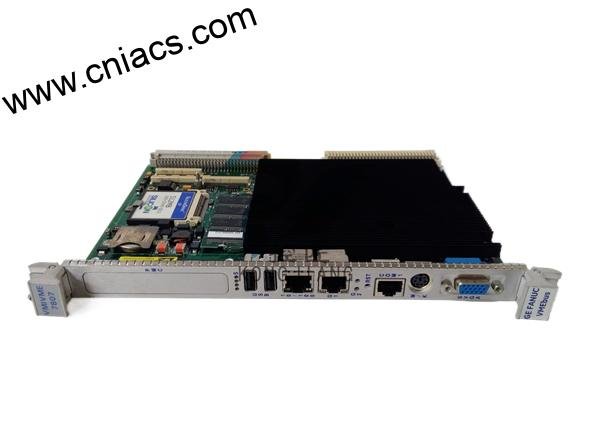

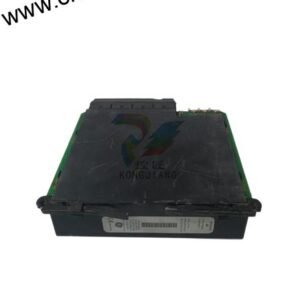

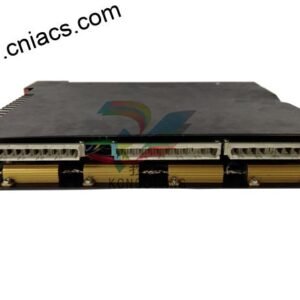
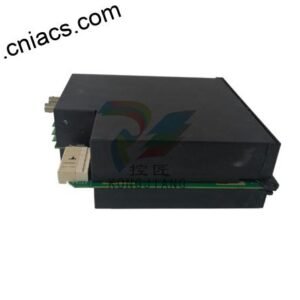
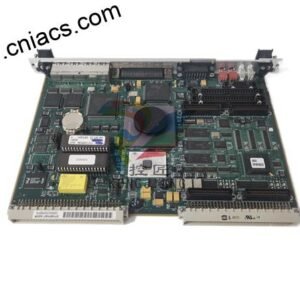
GE FANUC 531X300CCHBDM3 Control Board

Introducing the GE FANUC – a cornerstone of industrial automation that exemplifies reliability, efficiency, and advanced technology. As part of the acclaimed GE automation products lineup, the GE FANUC model is designed to enhance operational productivity across various sectors, from manufacturing to energy generation. This product description will delve into its key technical features, usage scenarios, comparisons with other models, and references to related products in the GE family.
**Key Technical Features**
The GE FANUC model is equipped with an array of features that cater to the demanding needs of industrial environments. One of its standout attributes is its robust processing power, which ensures seamless operation of complex automation tasks. The model integrates advanced control algorithms, allowing for optimized control of machinery and equipment.
In terms of connectivity, the GE FANUC supports a wide range of communication protocols, making it compatible with various systems and devices. This flexibility is crucial for businesses looking to integrate new technologies and streamline operations. The model also boasts extensive I/O options, enabling users to connect multiple sensors, actuators, and other peripherals effortlessly.
Another significant feature of the GE FANUC is its scalability. Businesses can expand their automation systems without having to replace existing hardware, accommodating growth and evolving operational needs. Additionally, the model is designed with a user-friendly interface, simplifying setup and configuration, which minimizes downtime and accelerates deployment.
The durability of the GE FANUC cannot be overlooked. Built to withstand the rigors of industrial environments, it operates effectively in extreme temperatures and harsh conditions, ensuring longevity and reliability. Furthermore, the model incorporates advanced diagnostics and troubleshooting capabilities, which enhance maintenance efficiency and reduce operational interruptions.
**Usage Scenarios**
The GE FANUC is ideal for a variety of applications within the automation spectrum. In manufacturing, it can be employed for controlling assembly lines, optimizing production processes, and managing quality control systems. Its precision and reliability ensure that production runs smoothly, reducing waste and increasing output.
In the energy sector, the GE FANUC model plays a crucial role in monitoring and controlling power generation systems. From wind turbines to hydroelectric plants, it helps maintain efficiency and safety, ensuring that operations meet regulatory standards and sustainability goals.
Complex systems, such as those found in transportation and logistics, benefit from the GE FANUC’s capacity for real-time data processing and system integration. It can manage traffic control systems, automated warehouses, and supply chain operations, improving overall efficiency and reducing delays.
Other industries, including pharmaceuticals, food processing, and water treatment, also leverage the capabilities of the GE
The above parameters are for reference only. Please contact our technical team for precise selection.
**Key Technical Features**
The GE FANUC model is equipped with an array of features that cater to the demanding needs of industrial environments. One of its standout attributes is its robust processing power, which ensures seamless operation of complex automation tasks. The model integrates advanced control algorithms, allowing for optimized control of machinery and equipment.
In terms of connectivity, the GE FANUC supports a wide range of communication protocols, making it compatible with various systems and devices. This flexibility is crucial for businesses looking to integrate new technologies and streamline operations. The model also boasts extensive I/O options, enabling users to connect multiple sensors, actuators, and other peripherals effortlessly.
Another significant feature of the GE FANUC is its scalability. Businesses can expand their automation systems without having to replace existing hardware, accommodating growth and evolving operational needs. Additionally, the model is designed with a user-friendly interface, simplifying setup and configuration, which minimizes downtime and accelerates deployment.
The durability of the GE FANUC cannot be overlooked. Built to withstand the rigors of industrial environments, it operates effectively in extreme temperatures and harsh conditions, ensuring longevity and reliability. Furthermore, the model incorporates advanced diagnostics and troubleshooting capabilities, which enhance maintenance efficiency and reduce operational interruptions.
**Usage Scenarios**
The GE FANUC is ideal for a variety of applications within the automation spectrum. In manufacturing, it can be employed for controlling assembly lines, optimizing production processes, and managing quality control systems. Its precision and reliability ensure that production runs smoothly, reducing waste and increasing output.
In the energy sector, the GE FANUC model plays a crucial role in monitoring and controlling power generation systems. From wind turbines to hydroelectric plants, it helps maintain efficiency and safety, ensuring that operations meet regulatory standards and sustainability goals.
Complex systems, such as those found in transportation and logistics, benefit from the GE FANUC’s capacity for real-time data processing and system integration. It can manage traffic control systems, automated warehouses, and supply chain operations, improving overall efficiency and reducing delays.
Other industries, including pharmaceuticals, food processing, and water treatment, also leverage the capabilities of the GE
The above parameters are for reference only. Please contact our technical team for precise selection.






There are no reviews yet.